In today's connected world, where most of our personal and professional lives unfold online, digital security has become more crucial than ever. Every year, millions of people fall victim to fraud, identity theft, and other types of cyberattacks. Protecting your online presence is not just a smart preventative measure, but an urgent necessity.
8 tips to protect your online life and achieve digital security.
In the digital age we live in, our online presence has become an extension of our daily lives. Whether for work, socializing, studying, or conducting financial transactions, the internet is an indispensable tool that brings countless conveniences. However, this constant connectivity also exposes us to a variety of cyber risks, from fraud and phishing to sophisticated ransomware attacks and data breaches. Digital security, therefore, is not just a precaution; it is an imperative necessity to protect our privacy, identity, and digital assets.
1. Use Strong and Unique Passwords
The first line of defense against online intruders is a strong password. Avoid using easily accessible personal information, such as birthdates, pet names, or simple sequences like "123456". Ideally, create passwords that combine uppercase and lowercase letters, numbers, and symbols. Furthermore, never reuse passwords across different accounts; a unique password for each service ensures that if one account is compromised, the others will remain secure.
2. Enable Two-Factor Authentication (2FA)
Two-factor authentication adds an extra layer of security to the login process, requiring not only your password but also a unique code sent to your phone or generated by an app. This means that even if someone gets your password, they will still need this code to access your account. Enabling 2FA on all accounts that offer this option can significantly reduce the risk of unauthorized access.
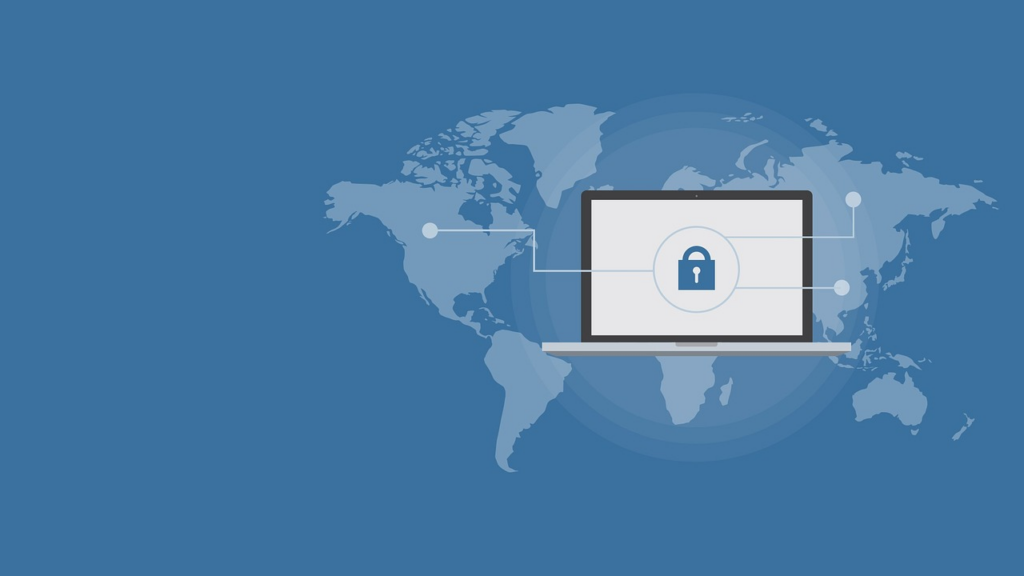
3. Keep your software updated.
Cybercriminals frequently exploit vulnerabilities in outdated software to carry out attacks. Keeping your operating system, browsers, and all other software up-to-date is crucial to protecting your device against these threats. Many programs offer the option of automatic updates, making this process easier.
4. Beware of Phishing
Phishing attacks, where attackers try to trick you into giving them personal or financial information, are becoming increasingly sophisticated. Be extremely cautious when clicking on links or opening attachments in emails, text messages, or on social media, especially if the source is unknown.
Always check the sender's address and look for signs of fraud, such as grammatical errors or unsolicited requests for personal information.
5. Use a Virtual Private Network (VPN)
A VPN creates a secure tunnel between your device and the internet, protecting your data from being intercepted when you're online, especially on public Wi-Fi networks, which are notoriously insecure. In addition to increasing your security, a VPN can also offer benefits such as access to geographically restricted content.
6. Make Regular Backups
Maintaining regular backups of your most important data may not prevent a cyberattack, but it can minimize the damage caused by one. In the case of ransomware, for example, where your files are encrypted and held for ransom, having recent backups means you can restore your information without giving in to the criminals' demands.
7. Be cautious on social media.
Information shared on social media can be used against you in many ways. Be cautious about what you share online and review your account privacy settings to control who can see your posts. Avoid sharing details that could be used to guess your passwords or answers to security questions.
8. Educate yourself about Cybersecurity.
The best tool against online threats is knowledge. Stay informed about the latest trends in cybersecurity and the types of threats that are circulating. There are many free resources available online that offer tips, best practices, and updates on how to stay safe on the internet.
Digital security is crucial.
Digital security is a crucial aspect of our online lives that is often neglected until it's too late. By implementing these eight tips, you can significantly strengthen your online protection and reduce the risk of becoming a victim of cybercrime.
Remember, online security starts with you, and taking proactive steps to protect your digital life is the best way to ensure your online experience remains safe and enjoyable.
See also: 20 best apps for searching for jobs safely online
February 24, 2024

Graduated in Literature – Portuguese/English, and creator of the website Successful Writer, seeks to expand everyone's knowledge with relevant information on a variety of topics, as a writer. At Vaga de Emprego RJ, she provides opportunities and tips on the job market.