Organizing your finances may seem complicated, but a monthly expense spreadsheet can be the solution to better understand where your money is going and, most importantly, to find ways to save. When you closely monitor your expenses, you notice small habits that may be weighing on your budget and can make more conscious decisions about how to spend.
By keeping track of all your income and expenses, it becomes easier to identify where the biggest waste is occurring and which expenses can be reduced or eliminated. Furthermore, a spreadsheet gives you a clear view of your budget, helping you plan for the future and avoid unpleasant surprises.
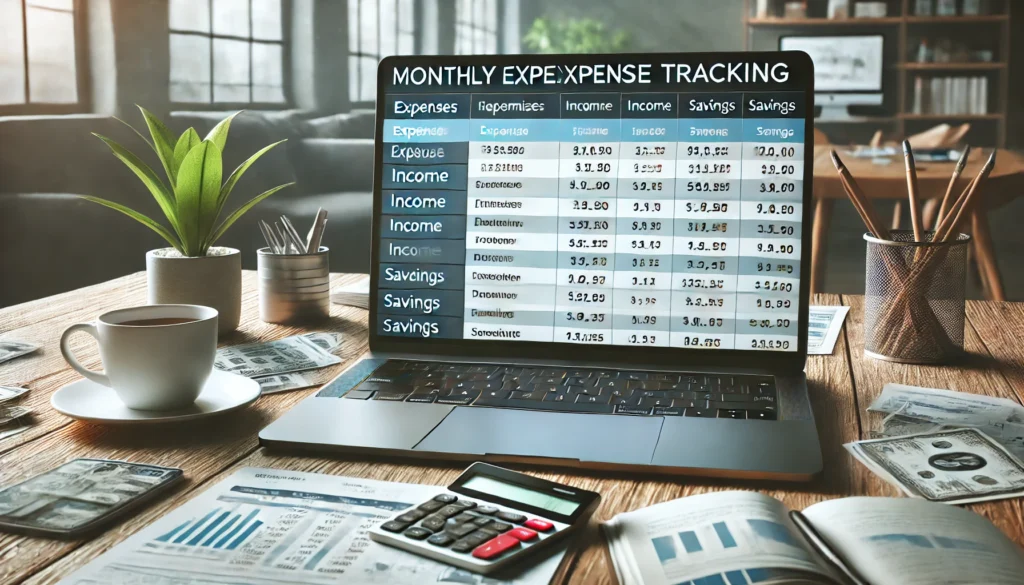
How a Monthly Expense Spreadsheet Can Transform Your Finances
Creating and maintaining a budget spreadsheet is not only a way to control money, but also a strategy to improve your relationship with it. Here are some practical benefits:
1# Do You Know Where Your Money Is Going?
Many people feel their salary disappears before the end of the month, without knowing exactly what they spent it on. With a spreadsheet, you can categorize expenses such as food, transportation, leisure, and fixed bills. This helps you see what can be adjusted.
2# Helps Create Financial Goals
If you want to save money for a trip, buy a car, or build an emergency fund, you need to know how much you can save per month. This spreadsheet helps you set a realistic goal and track your progress.
3# Avoids Unnecessary Expenses
By viewing your expenses in detail, it becomes easier to identify where you can save money. Small amounts, such as a daily coffee or subscriptions you hardly ever use, can make a big difference over the course of the year.
4# Improves Debt Control
If you have installments or are paying interest on your credit card, this spreadsheet helps you organize those payments, avoiding late fees and further debt.
5# Helps Plan for the Future
With a detailed record of what goes in and out of your account, you can prepare for tighter months or unforeseen events. Furthermore, you can begin investing with more confidence.
How to Create a Simple and Efficient Monthly Expense Spreadsheet
Ideally, your spreadsheet should be practical and easy to update. You can use Excel, Google Sheets, or even a notebook, as long as you keep the record up to date.
1# Define Your Spending Categories
Separate your expenses into categories to better understand the impact of each one on your budget. Some examples:
- Fixed: Rent, water bill, electricity, internet, phone.
- Variables: supermarket, transportation, leisure, eating out.
- Extras: Gifts, trips, unexpected purchases.
2# Note All Inputs and Outputs
Record all your income and every expense, even the smallest ones. It may seem like a lot of work at first, but in just a few days you'll notice the difference in your financial organization.
3# Review the Spreadsheet Regularly
It's no use just writing down your expenses if you don't look at them afterward. Set aside some time each week to review your spending and understand where you can save money.
Spreadsheet or App?
If you prefer something automated, you can try personal finance apps like Organizze, Mobills, or Guiabolso. But the advantage of a spreadsheet is that you have complete control and can customize it to your needs.
Small Changes, Big Savings
Having a budget spreadsheet doesn't mean you have to stop enjoying life, but rather learn to spend more intelligently. With this habit, you avoid waste, plan better, and can save money without suffering. The secret to a healthy financial life is simple: control and awareness of your spending.
See also: Will PIS end? Understand the changes and new rules
March 6, 2025

Graduated in Literature – Portuguese/English, and creator of the website Successful Writer, seeks to expand everyone's knowledge with relevant information on a variety of topics, as a writer. At Vaga de Emprego RJ, she provides opportunities and tips on the job market.