Bolsa Família is an income transfer program aimed at combating poverty and inequality in Brazil. It benefits millions of families in situations of social vulnerability, providing monthly financial assistance to meet their basic needs. One of the most frequent questions about the program is whether those who receive Bolsa Família can have a formal employment contract. In this article, we will clarify this doubt and explain how the benefit works in relation to formal employment.
What is Bolsa Família?
Before answering the central question of this article, it is important to understand what Bolsa Família is and how it works. The program was created in 2003 and is coordinated by the Ministry of Citizenship of the federal government. Its target audience is families in situations of extreme poverty or poverty, with a per capita income of up to R$178.00 per month.
The Bolsa Família program offers monthly benefits that vary according to family composition and income declared in the Unified Registry for Social Programs of the Federal Government (CadÚnico). These benefits may include Bolsa Básica, Bolsa Variável, and Bolsa Nutriz, among others.
Who is eligible to receive Bolsa Família?
To receive Bolsa Família benefits, the interested family must meet the following criteria:
- Per capita income: The family's per capita income must be up to R$178.00 per month to qualify for the extreme poverty category, or between R$178.01 and R$356.00 for the poverty category. These values are updated annually by the government.
- Single Registry (Cadastro Único): It is necessary to be registered in the Single Registry (CadÚnico) and keep your information updated. The Single Registry is the registration system for low-income families, used by the government to identify beneficiaries of social programs.
- Vulnerability status: The government considers the vulnerability status of families to determine eligibility for the program. This includes criteria such as the presence of children and pregnant women in the family, access to education and health, among others.
The Bolsa Família program and formal employment.
Now that we understand how the Bolsa Família program works, we can address the central question of this article: can those who receive Bolsa Família have a formal employment contract?
Yes, those who receive Bolsa Família can have a formal employment contract. The program does not prevent its beneficiaries from having formal, registered employment. In fact, it encourages social inclusion and the pursuit of dignified employment as one way to overcome poverty.
The program was designed to supplement the income of vulnerable families, not to replace formal employment. Therefore, if someone receiving Bolsa Família gets a job with a formal employment contract, they will remain eligible for the benefit, as long as they still meet the established income and vulnerability criteria.
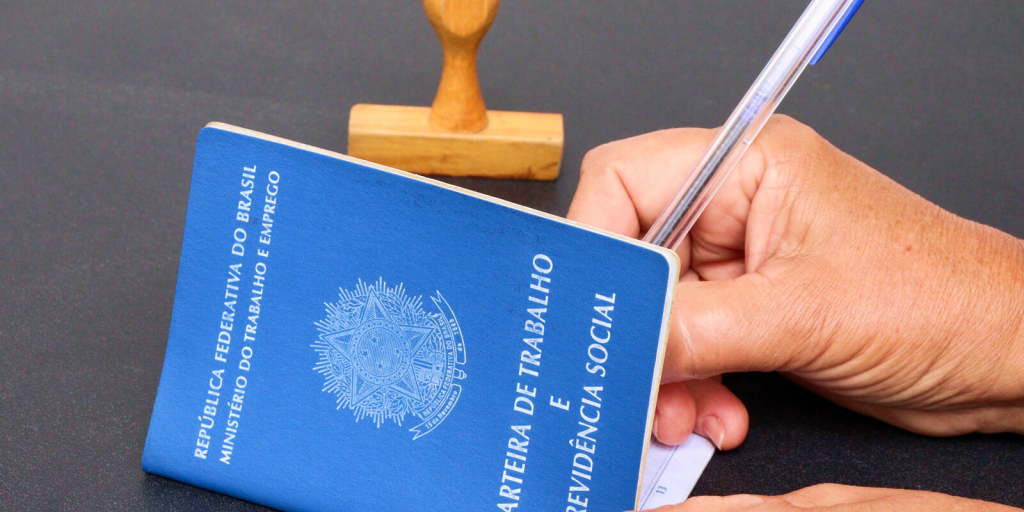
Benefits of Having a Formal Employment Contract and Receiving Bolsa Família (Family Allowance)
Having a formal employment contract while receiving Bolsa Família benefits can bring several advantages. Some of these advantages include:
1. Additional Income
The salary from formal employment is added to the Bolsa Família benefit, increasing the total family income. This allows for an improvement in living conditions and access to a more dignified standard of living.
2. Social Security
By having a formal employment contract, workers contribute to Social Security and acquire social security rights, such as retirement benefits, sick pay, and maternity leave. This contributes to the long-term financial security of the family.
3. Job Stability
Formal employment offers greater job stability compared to informal work. This provides security for the worker and their family.
4. Professional Development
Formal employment often offers opportunities for training and professional development, allowing workers to acquire new skills and advance in their careers.
How Income Affects Bolsa Família Benefits
It's important to remember that if a family's income increases significantly due to formal employment, this can impact the amount of Bolsa Família the family receives. The program is calculated based on the income declared in the CadÚnico (Single Registry for Social Programs), and an increase in income can result in a decrease in the benefit amount or even the loss of eligibility.
Therefore, it is essential that beneficiary families inform the Unified Registry (CadÚnico) of any changes in their financial situation, including obtaining formal employment. This will ensure that the program continues to serve those who need it most.
Conclusion
Receiving Bolsa Família (a Brazilian social welfare program) does not in any way prevent someone from having a formal employment contract. On the contrary, the program encourages the search for formal jobs as a way to improve the quality of life for families in vulnerable situations. Having a formal job brings several benefits, such as increased income, social security, and job stability.
It is essential that Bolsa Família beneficiaries are aware of the eligibility criteria and report any changes in their financial situation to CadÚnico. This will ensure that the program continues to fulfill its mission of combating poverty and promoting social inclusion in Brazil.
See also: Can FGTS be withdrawn at a lottery outlet? See how to get your money
October 4, 2023

Graduated in Literature – Portuguese/English, and creator of the website Successful Writer, seeks to expand everyone's knowledge with relevant information on a variety of topics, as a writer. At Vaga de Emprego RJ, she provides opportunities and tips on the job market.