The concept of heritage goes far beyond physical assets or old structures. It represents the identity, history, and culture of a people, being fundamental for the preservation of traditions and collective memory. When we talk about heritage, we usually think of historical monuments, old churches, and museums. However, there are two main types of heritage: material and immaterial.
Have you ever stopped to think about why certain buildings, popular festivals, traditional recipes, or even forms of artistic expression are protected and preserved? The answer lies in their importance to a people's identity. Let's find out what that means. tangible and intangible heritage, How they differ, and why you should know and value them.
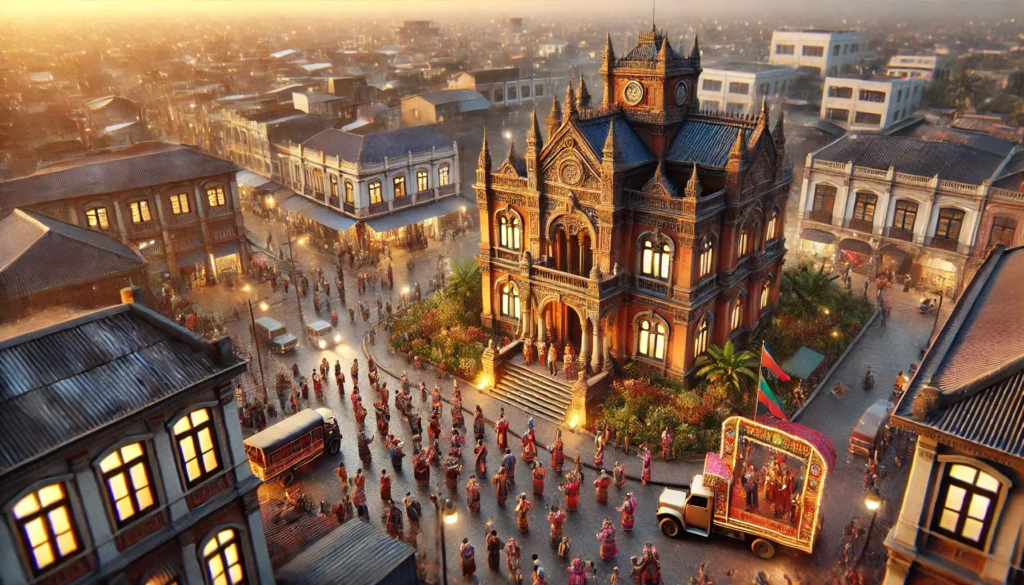
What is tangible heritage?
THE material assets It is everything that can be. touched and physically preserved. These are buildings, objects, documents, and historical elements that represent the culture and identity of a people. This type of heritage can be... architectural, archaeological, artistic or natural, being transmitted over time as part of a society's memory.
📌 Examples of tangible assets:
- Churches, palaces and historical monuments.
- Old urban centers.
- Works of art, sculptures and paintings.
- Rare books, manuscripts, and historical documents.
- Archaeological sites and ruins of ancient civilizations.
- Natural parks and protected environmental reserves.
In Brazil, a famous example of tangible heritage is the Christ the Redeemer, In Rio de Janeiro, which, in addition to being one of the country's most iconic landmarks, has been designated a cultural heritage site. Other examples include Black Gold, with its collection of Baroque churches, and the Historic Center of Salvador, which preserves the influence of colonial architecture.
What is intangible heritage?
Unlike the material, the intangible heritage It cannot be touched, but it can be experienced and transmitted It is passed down from generation to generation. It is linked to the traditions, knowledge, rituals, festivals, music, and other elements of a people's culture.
Intangible heritage is directly linked to the identity and way of life of communities. It can be transmitted orally, through practices, teachings or rituals, and is constantly recreated to remain alive.
📌 Examples of intangible heritage:
- Popular festivals, such as Carnival and the Bumba Meu Boi.
- Traditional music and dances, such as samba and the frevo.
- Indigenous religious practices and rituals.
- Craft techniques, such as bobbin lace and the clay from Caruaru.
- Culinary knowledge, such as Shrimp bean ball and the feijoada.
In Brazil, one of the most recognized intangible cultural heritages is... Samba de Roda from the Recôncavo Baiano region, which was registered as cultural heritage by the National Institute of Historic and Artistic Heritage (IPHAN).
What is the difference between tangible and intangible heritage?
The main difference between these two types of assets lies in their physical nature.
🔹 Material assets: It is tangible, it can be seen and physically preserved. Examples: historical buildings, sculptures, documents, and archaeological sites.
🔹 Intangible heritage: It is intangible, linked to cultural practices and traditions. Examples: music, dances, recipes, and popular festivals.
However, both are connected. For example, a Baroque church can be a heritage site. material, However, the religious celebrations that take place within it are part of the heritage. immaterial. This means that one type of asset can complement and strengthen the other.
Why should you know about this?
Understanding the concept of tangible and intangible heritage is fundamental for several reasons.
1. Preservation of culture and identity
A people's culture is one of the most valuable things they can have. Knowing and valuing heritage helps to keep the traditions and identity of a country or community alive.
When there is no preservation, many elements of history can be lost over time, taking with them part of the collective memory. An example of this is indigenous languages, which are disappearing because they are no longer spoken by new generations.
2. Valuing cultural diversity
Intangible heritage showcases the richness of the world's cultural diversity. Each people has its own way of expressing itself, its dances, music, beliefs, and stories. Learning about these cultural manifestations helps us better understand differences and respect other traditions.
3. Economic impact and cultural tourism
Cultural heritage, whether tangible or intangible, It drives the economy.. Many tourist cities depend on preserving their heritage to attract visitors.
Ouro Preto, for example, is a very popular destination because of its colonial architecture, churches, and historic center. Similarly, festivals like... Carnival They generate jobs, boost the local economy, and promote Brazilian culture abroad.
4. Education and the formation of historical consciousness
In schools, learning about cultural heritage allows children and young people to develop a sense of belonging and respect for their country's history.
Furthermore, studying and preserving the past helps us understand the present and plan for the future. After all, by knowing the mistakes and successes of the past, we can make more informed decisions in the present.
5. Protection against distortion and oblivion
Without knowledge and preservation, much heritage can be destroyed or its character altered. This happens both with historical buildings, which suffer deterioration, and with cultural traditions that are forgotten over time.
Examples of heritage sites that have already suffered from this include archaeological sites destroyed by wars and traditional dances that are no longer practiced by new generations.
What does Brazil do to protect its cultural heritage?
In Brazil, the preservation of tangible and intangible heritage is carried out by IPHAN (National Institute of Historical and Artistic Heritage). He is responsible for listing historical monuments and registering intangible cultural assets, ensuring that they are protected.
Furthermore, some measures are taken to keep these heritages alive:
- Heritage education programsThey encourage teaching about the importance of cultural heritage.
- Support for master craftsmen and artisansPeople who possess traditional knowledge receive incentives to continue teaching their practices.
- Restoration of historical monumentsChurches, mansions, and historical centers are undergoing renovations to prevent further deterioration.
- Appreciation of popular festivals and celebrations.The government recognizes and promotes traditional events as part of the national identity.
What should be preserved
Cultural heritage, both tangible and intangible, is a reflection of a people's identity and must be preserved for future generations. Knowing and valuing it is fundamental to keeping historical memory alive and ensuring that important traditions do not disappear over time.
Whether through the conservation of historical buildings or the promotion of popular festivals, everyone can contribute to this preservation. What can you do? Visit museums, learn about the traditions of your state, respect and value the culture of different peoples, and encourage the transmission of traditional knowledge.
After all, what would a country be without its culture and history? Preserving heritage is preserving our own identity.
See also: Will PIS end? Understand the changes and new rules
February 24, 2025

Graduated in Literature – Portuguese/English, and creator of the website Successful Writer, seeks to expand everyone's knowledge with relevant information on a variety of topics, as a writer. At Vaga de Emprego RJ, she provides opportunities and tips on the job market.