Are you thinking about taking a civil service exam to work for your city's government, but don't know where to start? Well, you're not alone. Many people are unsure about what to study and what the best opportunities are. After all, public administration offers different positions, with varied areas and, of course, different challenges. See everything you need to be prepared and get your job. Let's go?
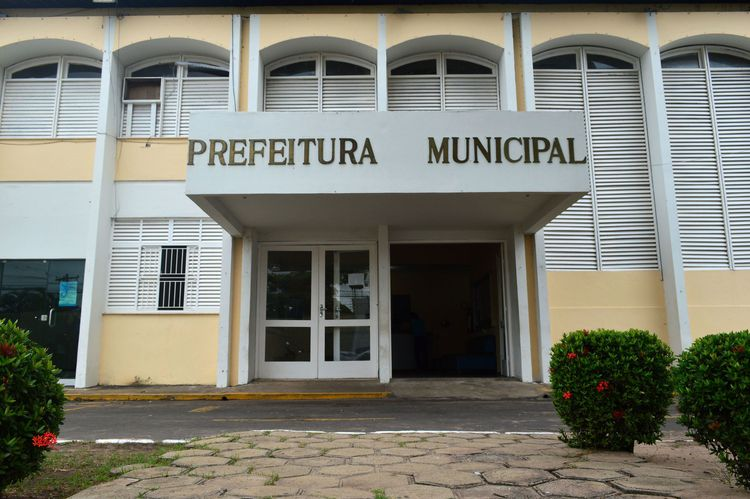
Context of Municipal Government Job Openings
Working for a city government means being part of how your city functions. Whether as an administrative assistant, teacher, community agent, or even inspector, you will be directly involved in improving the quality of life for the population.
However, first of all, it's important to understand the profile of the competition. Municipalities usually organize competitions for positions that involve the most varied levels of education: from elementary to higher education. Each position has a specific requirement, so the first step is to carefully read the notice – it is your main guide. Have you already looked at some notices?
What are the most common areas?
Opportunities in city halls are usually divided into a few common areas. The idea here is to help you understand the possibilities, and perhaps even inspire you to choose the one that best suits you. Shall we talk about some of the main areas?
1. Administrative Area
In this area, the most common positions are for administrative assistants or aides. Tasks involve customer service, document organization, and support for internal departments of the city hall. For these positions, the focus of studies should be on Portuguese language, mathematics, basic public administration concepts, and basic computer skills.
But let me ask you: do you enjoy a more organized environment with routine, and are you comfortable dealing with the public? Because if the answer is yes, this could be a good area for you to invest in.
2. Education
Many municipalities open competitions for teachers, mainly in early childhood and elementary education. For these positions, the study content includes educational legislation, pedagogy, Portuguese language, and specific knowledge of the area in which you intend to work (such as mathematics, history, science, among others).
Do you enjoy teaching? Do you feel you have a calling to transform the lives of children and teenagers? Then perhaps your place is in the classroom, helping to build the future of your city.
3. Health
In the healthcare field, there are job openings for both technical positions (such as nursing technician) and higher-level positions (doctor, nurse, social worker). Here, it's important to be aware of the technical knowledge required for your profession as well as the specific legislation governing public health.
If you are passionate about caring for people and want to work in the healthcare system, city governments can be a great path. Furthermore, being directly involved in prevention campaigns and basic community care can be extremely rewarding, don't you think?
4. Operational and General Services Area
Jobs in this field generally require a basic education level. They include positions such as general services agent, driver, machine operator, and security guard. Here, it's important to prepare in basic subjects like Portuguese and mathematics, in addition to specific knowledge related to the job.
And think about it: are you the type of person who likes to see your work generating concrete results, something that can be felt in practice by the community? Perhaps the operational area is a good fit for you.
How to prepare for the exam?
Now that you have an idea of the areas, let's talk about preparation? The foundation of any competitive exam lies in dedication to studies and planning. But do you know where to start?
1. Read the notice carefully.
This is the first step and perhaps the most important. The exam announcement will tell you exactly what you need to study, the deadlines, and all the information you need to know. Write down the main points and create a study plan based on that.
Do you usually read the entire announcement? It can often be quite long, but every detail matters and can make all the difference in your preparation.
2. Organize a study schedule.
After reading the announcement, organize a schedule that fits into your routine. Study consistently and in a balanced way, without forgetting to review the material. Setting daily and weekly goals can be very helpful.
Do you have trouble sticking to a study routine? If so, it's worth trying different schedules and methods until you find what works best for you.
3. Solve past exams.
One of the best ways to prepare is by solving past exams. They help you understand the style of the questions and identify the areas where you have the most difficulty. In addition, it's a way to familiarize yourself with exam time and control your nerves.
Have you tried solving any past exams? It might be challenging at first, but over time you'll notice how much of a difference it makes to your preparation.
4. Maintain balance
Preparing for a public service exam can be stressful, but don't forget to take care of yourself. Rest, have leisure time, and look after your health. Balance is key to maintaining high energy and motivation throughout the journey.
How is your balance between studying and leisure? We often put too much pressure on ourselves, but remember: you need to be well to learn effectively.
Is it worth working for the City Hall?
Working for a city government offers stability, a well-defined routine, and the chance to truly impact the lives of people in your community. However, like any job, it has challenges: bureaucracy, slower processes, and a structure that isn't always ideal. So, it's worth reflecting on the pros and cons before committing to this journey.
Do you feel you have what it takes to handle these challenges? If so, perhaps it's time to embrace this opportunity and dedicate yourself fully to your studies!
See also: Aramis: 61 new job openings across the country
December 5, 2024

Graduated in Literature – Portuguese/English, and creator of the website Successful Writer, seeks to expand everyone's knowledge with relevant information on a variety of topics, as a writer. At Vaga de Emprego RJ, she provides opportunities and tips on the job market.